Energy and Infrastructure Law
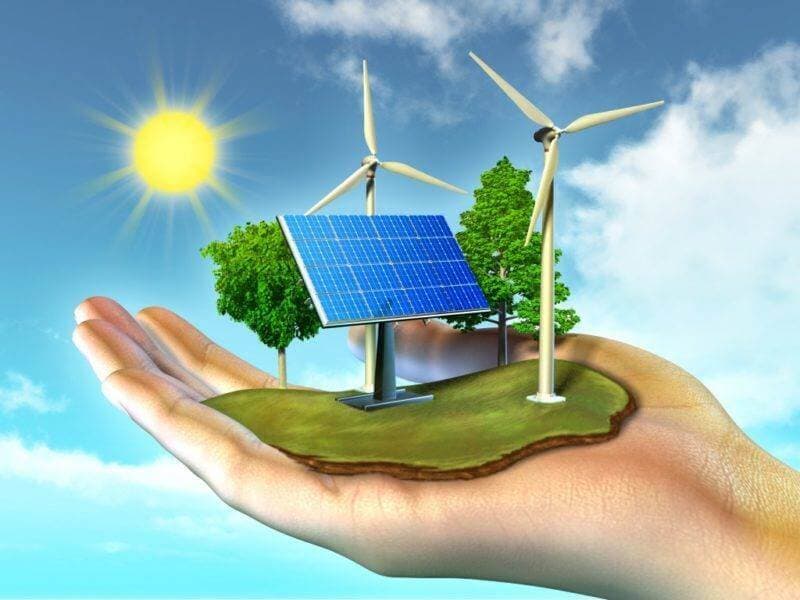
Energy and Infrastructure Law
Bhandari Law is one of the leading law firms in Nepal providing legal services across energy and infrastructure — a sector where Nepal's regulatory requirements, project financing structures, and construction risk all intersect, and where a project rarely moves forward without a lawyer who understands all three at once.
The Legal Framework
Nepal's energy sector, and hydropower in particular, runs primarily on the Electricity Act, 2049 (1992), which requires a license for any survey, generation, transmission, or distribution of electricity, alongside the Companies Act, 2063 (2006) for project company incorporation. The Department of Electricity Development (DoED) issues survey and generation licenses up to defined thresholds, while larger projects fall under the Investment Board Nepal. The Electricity Regulatory Commission, established under the Electricity Regulatory Commission Act, 2017, sets tariffs and technical standards, and the Nepal Electricity Authority remains, in practice, the only buyer most power projects will ever sell to.
Licensing in Nepal follows a two-stage structure: a survey license first — generally capped at five years and used to establish technical, financial, and environmental feasibility — followed by a generation, transmission, or distribution license once the project clears that stage. The Electricity Act technically allows generation licenses up to 50 years, though in practice the Hydropower Development Policy and most licenses actually issued sit closer to 35 years. A long-pending Electricity Bill intended to replace the 1992 Act — extending license terms, restructuring the Nepal Electricity Authority, and formalizing electricity trading — remains before Parliament, so businesses in this sector need to plan around a regulatory framework that's actively in motion, not settled.
Broader infrastructure projects — roads, airports, bridges, cable cars, water and waste management — layer additional regulatory requirements on top of this, including environmental clearance under the Environment Protection Act, procurement rules under the Public Procurement Act where government funding or tendering is involved, and foreign investment approval under FITTA where foreign capital is part of the structure.
What We Do
Foreign investment approval
We obtain foreign investment approval for energy and infrastructure projects, navigating whichever regulatory body applies given the project's size and sector.
Licensing
We handle survey, generation, transmission, and distribution license applications for energy projects, managing the two-stage process from feasibility through to final license.
Drafting and negotiating project agreements
We draft and negotiate Power Purchase Agreements (PPAs), Power Development Agreements (PDAs), Grid Connection Agreements, Joint Venture Agreements, Concession Agreements, and EPC and O&M contracts — the comprehensive set of documents a project actually runs on from construction through operation.
Legal due diligence
We conduct legal due diligence on projects, including for mergers and acquisitions of project companies, where understanding a project's existing license terms, contracts, and regulatory standing is essential before a deal closes.
Procurement and bidding support
We assist with public procurement and bidding processes for infrastructure projects.
Regulatory and legal advisory
We advise on the regulatory and legal questions that arise across a project's full lifecycle — acquisition, development, and operation.
Litigation and arbitration
We represent clients in high-value litigation and arbitration disputes arising from energy and infrastructure projects, a space where disputes tend to be technically complex and commercially significant at the same time.
Legal reform engagement
We've been engaged in legal reform projects relating to the energy and infrastructure sector, work that gives us a genuinely current view of where the regulatory framework — including the pending Electricity Bill — is actually heading.
Our Experience
We've advised project developers, government agencies, contractors, Nepalese and foreign investors, sponsors, lenders, multinational agencies, suppliers, and consultants across solar plants, mining, aviation, telecom, road, rail, logistics, airports, urban infrastructure, bridges, cable cars, and water and waste management projects in Nepal. That breadth across both energy and infrastructure sub-sectors means our team generally understands the specific regulatory and commercial pressure points a given project type carries before a new client even walks through the door.
We also provide service on Carbon Trading Law, which increasingly intersects with renewable energy project structuring as carbon credit mechanisms become part of how these projects are financed.

.jpg&w=256&q=75)